Cost of Living in India
Compare prices across 54 major Indian cities. From PG double sharing to 3BHK rent, chai to biryani — find out what life really costs.
Compare Two Cities
Can You Afford This City?
Enter your monthly salary and pick a city for an instant answer
Interactive Map
Click any city to open its full cost-of-living profile.
Cost of Living Index
Mumbai = 100. Score of 75 means ~25% cheaper than Mumbai.
Show all 54 cities
Rent Index
Rent & PG prices relative to Mumbai = 100
Show all 54 cities
Explore Cities
Search or filter by state to find your city.

Mumbai
Maharashtra

Delhi
Delhi NCR

Bangalore
Karnataka

Chennai
Tamil Nadu
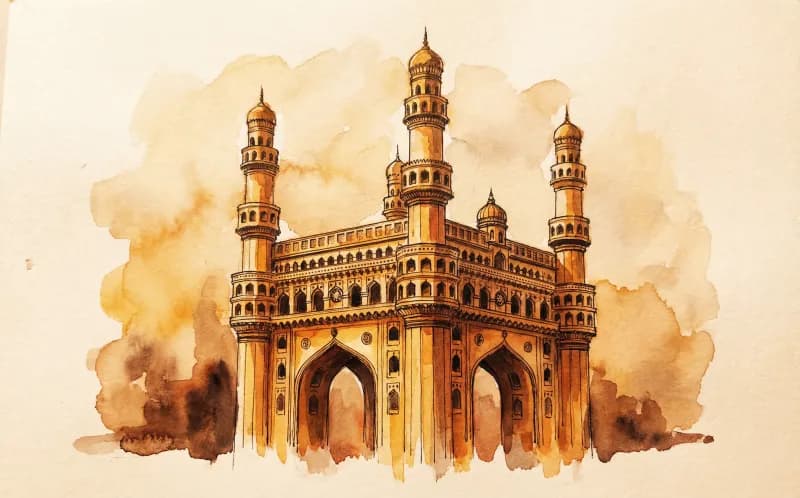
Hyderabad
Telangana

Pune
Maharashtra

Kolkata
West Bengal

Ahmedabad
Gujarat

Jaipur
Rajasthan

Lucknow
Uttar Pradesh

Gurgaon
Haryana

Noida
Uttar Pradesh
Understanding Cost of Living in India
The cost of living in India varies dramatically from city to city. Mumbai, the financial capital, consistently tops every index as the most expensive city — a 1BHK apartment in central Mumbai costs around ₹65,000/month, while the same apartment in a city like Lucknow is just ₹10,000. Understanding these differences is essential whether you're relocating for a job, choosing a college city, or simply planning your budget.
Our data covers 54 major Indian cities across 7 categories — restaurants, groceries, transportation, utilities, apartment rent, PG accommodation, and lifestyle expenses — with 56+ individual price points per city. All prices are in Indian Rupees (₹) and updated for 2026.
Rent & Accommodation
Rent is the single largest expense in most Indian cities, accounting for 30–50% of monthly income. The cost of living in Mumbai is driven primarily by sky-high rents — a 1BHK in the city centre can exceed ₹60,000/month. In Bangalore, strong IT-sector demand pushes 1BHK rents to around ₹28,000, while Delhi and Gurgaon hover around ₹22,000 each.
For young professionals and students, PG (Paying Guest) accommodation is a popular and uniquely Indian option. Double sharing PGs with meals range from ₹5,500/month in Lucknow to ₹12,000 in Mumbai. Triple sharing rooms are even more budget-friendly, starting at ₹3,000/month in tier-2 cities — making them the most popular choice for college students.
Food & Dining
Food costs vary across cities but remain affordable by global standards. A veg thali at a local restaurant costs ₹80–150 depending on the city, while chicken biryani ranges from ₹120 to ₹250. Street food — samosas, vada pav, dosas — stays remarkably cheap at ₹10–30 across almost every city. Monthly grocery bills for a single person typically range from ₹3,000 in smaller cities to ₹6,000 in metros, covering rice, dal, vegetables, milk, and cooking oil.
Most Expensive vs Most Affordable Cities
The five most expensive cities on our index are Mumbai (100), Bangalore (57), Gurgaon (50), Delhi (47), and Navi Mumbai (43). On the other end, the most affordable cities include Gwalior (17), Warangal (17), Siliguri (17), Prayagraj (18), and Trichy (18). The gap is striking — living in Mumbai costs roughly 5–6× more than in India's most affordable tier-2 cities.
Transportation
Public transport is affordable across India. Monthly metro or local train passes cost ₹500–2,500 depending on the city and distance. Auto-rickshaw minimum fares range from ₹20 to ₹30, and Ola/Uber rides average ₹150–250 for typical commutes. Petrol prices hover around ₹100–110/litre across most cities, with minor state-level variations.
India in a Global Context
Compared to Western countries, India remains one of the most affordable places to live. Overall living costs are roughly 70–80% lower than the United States or United Kingdom. A comfortable monthly budget for a single person ranges from ₹15,000 in a tier-2 city to ₹60,000 in Mumbai — the equivalent of $180 to $720. This affordability, combined with a growing services economy and improving infrastructure, makes Indian cities attractive for both domestic migrants and digital nomads.
Tips for Relocating Between Cities
If you're moving to a new city, use our city comparison tool to see a side-by-side breakdown. The salary offer evaluator can help you judge whether a new job offer compensates for the difference in living costs. As a rule of thumb, expect to spend 30–40% of your take-home salary on rent in a metro city, dropping to 15–25% in tier-2 cities.
Frequently Asked Questions
Which is the cheapest city to live in India?
Based on our cost index (Mumbai = 100), cities like Gwalior (17), Siliguri (17), and Prayagraj (18) are among the cheapest major cities in India. Tier-2 cities in Uttar Pradesh, Madhya Pradesh, and Chhattisgarh offer the most affordable living, with 1BHK apartments available for ₹5,000–8,000/month and veg thalis for ₹60–70.
Which Indian city has the highest cost of living?
Mumbai is India's most expensive city by a wide margin, scoring 100 on our cost index. A 1BHK apartment in central Mumbai costs around ₹65,000/month — nearly double Bangalore's and triple Delhi's. Bangalore (57) and Gurgaon (50) are the next most expensive, driven largely by IT-sector housing demand.
What salary do you need to live comfortably in India?
It depends heavily on the city. In Mumbai, a single person needs around ₹50,000–60,000/month for a comfortable lifestyle including rent, food, and transport. In Bangalore, ₹35,000–45,000 is sufficient. In tier-2 cities like Jaipur or Lucknow, ₹20,000–25,000 covers rent, food, transport, and basic entertainment comfortably.
Is India expensive compared to other countries?
India is one of the most affordable countries globally. Living costs are roughly 70–80% lower than in the US or UK. A restaurant meal costs ₹80–200, monthly rent for a 1BHK ranges from ₹5,000 to ₹65,000 depending on the city, and public transport passes cost ₹500–2,500/month.
How much does PG accommodation cost in India?
PG (Paying Guest) prices vary by city and room type. Double sharing with meals ranges from ₹5,500/month in cities like Lucknow to ₹12,000 in Mumbai. Private rooms cost 40–60% more. Triple sharing starts at just ₹3,000/month in tier-2 cities, making it the most popular option for students.
What are the biggest monthly expenses in India?
Rent is the largest expense, consuming 30–50% of income depending on the city and accommodation type. Food accounts for 15–25%, transportation 5–10%, and utilities 5–8%. Rent varies the most between cities — a 1BHK in Mumbai costs roughly 6x more than in Gwalior or Prayagraj.
Prices look off? Help us fix them.
Your local knowledge makes this data better for everyone. Report corrections or suggest improvements.